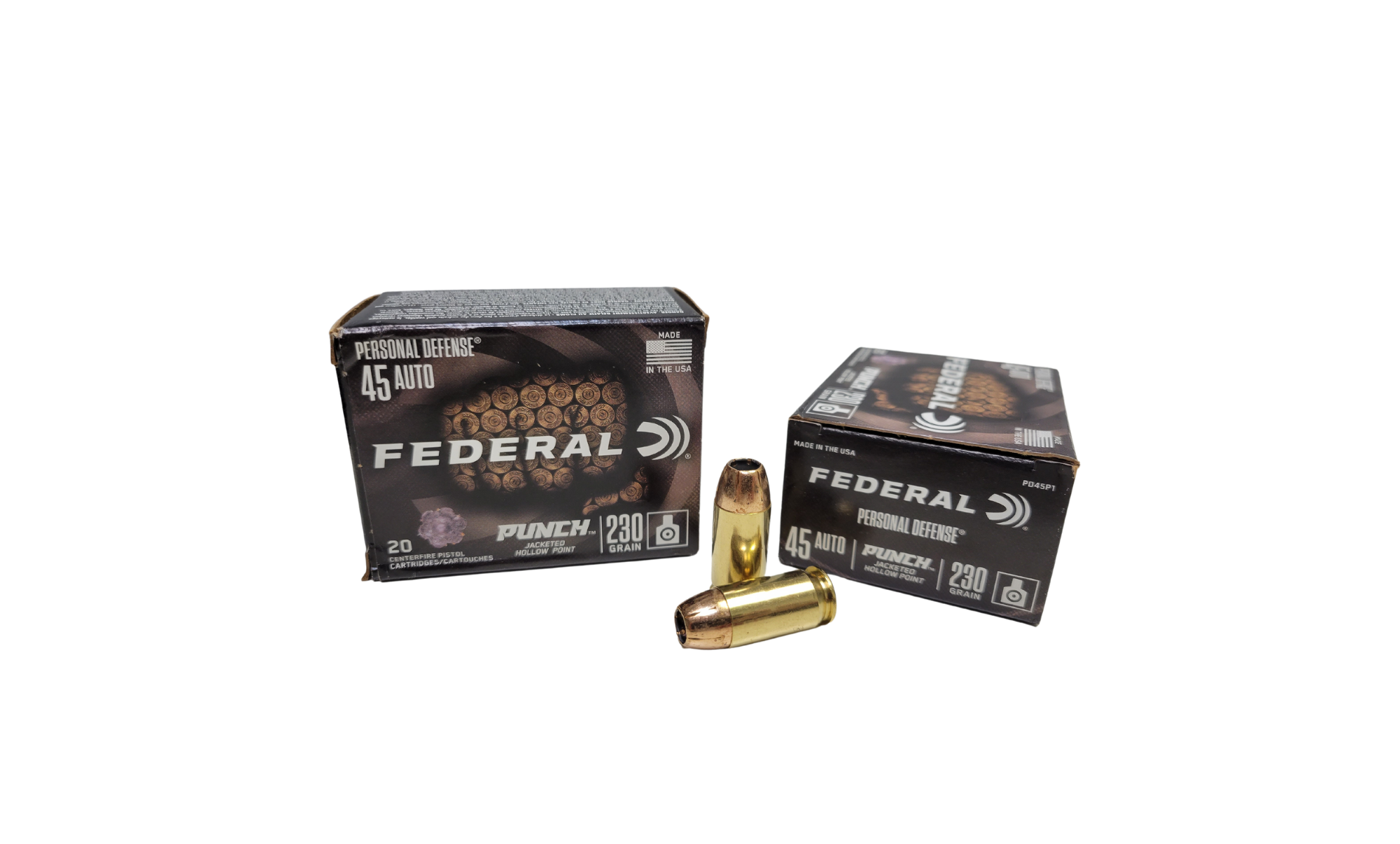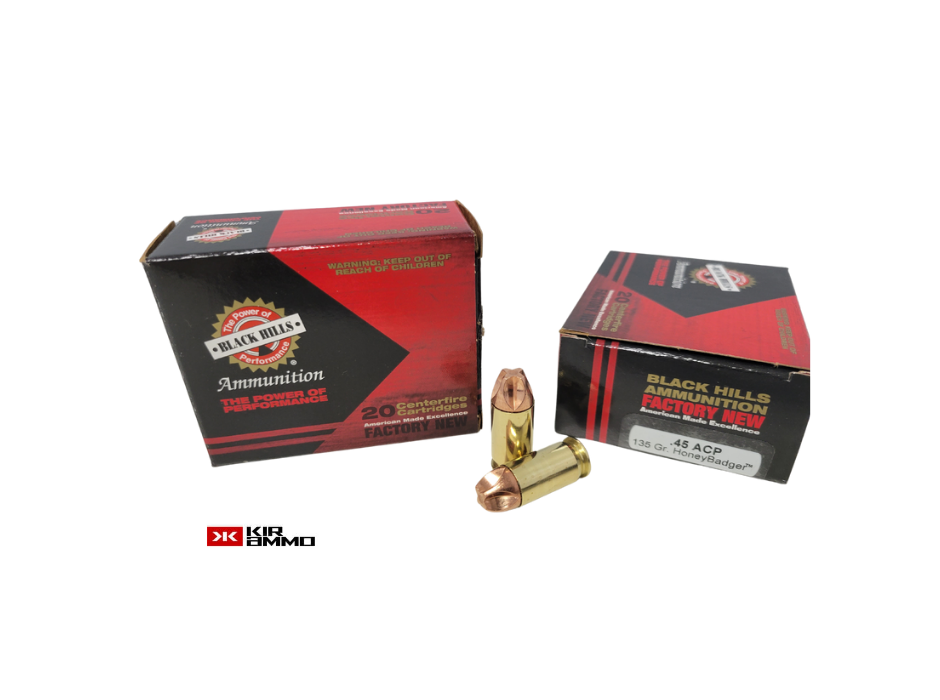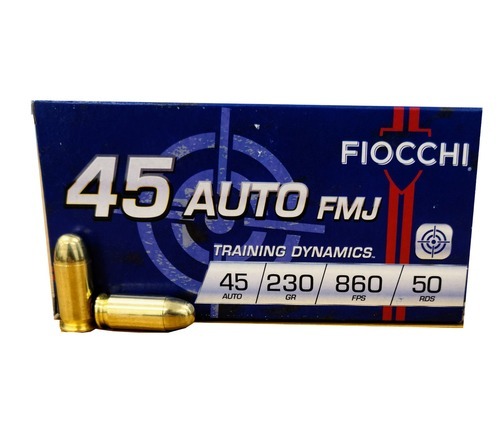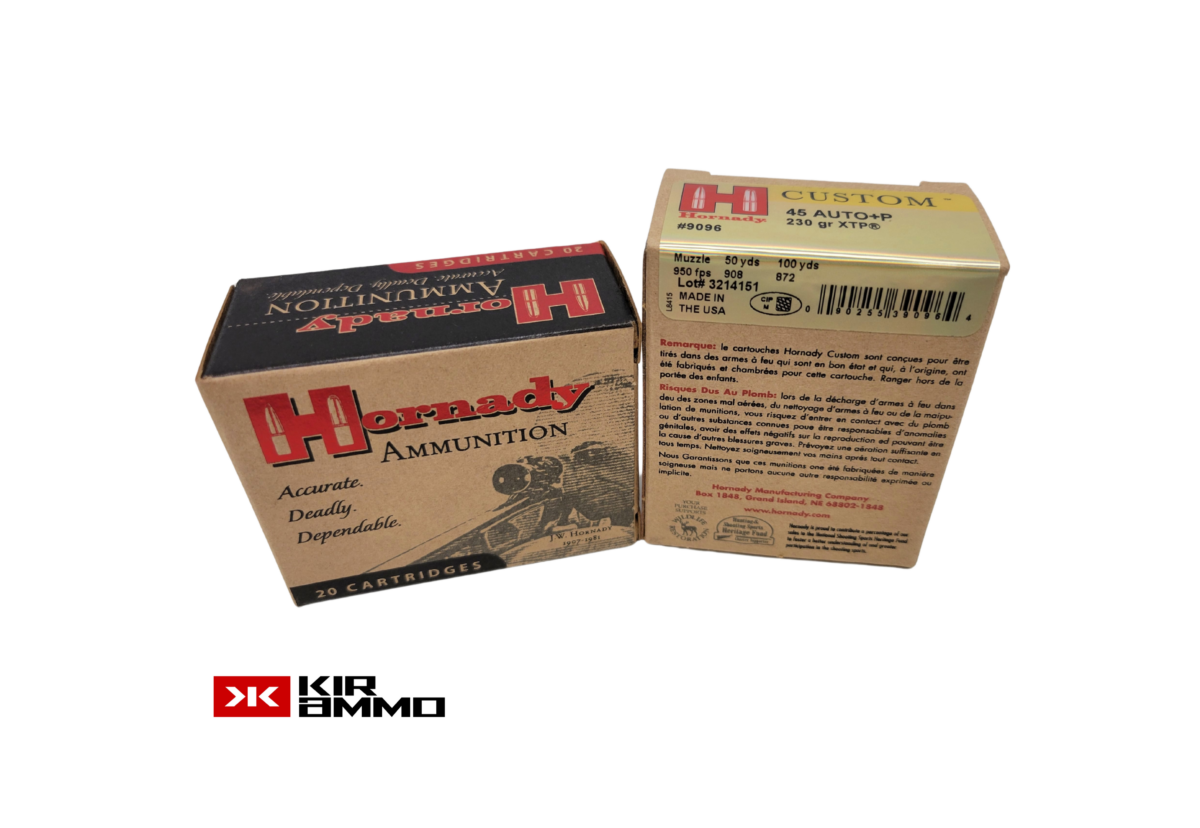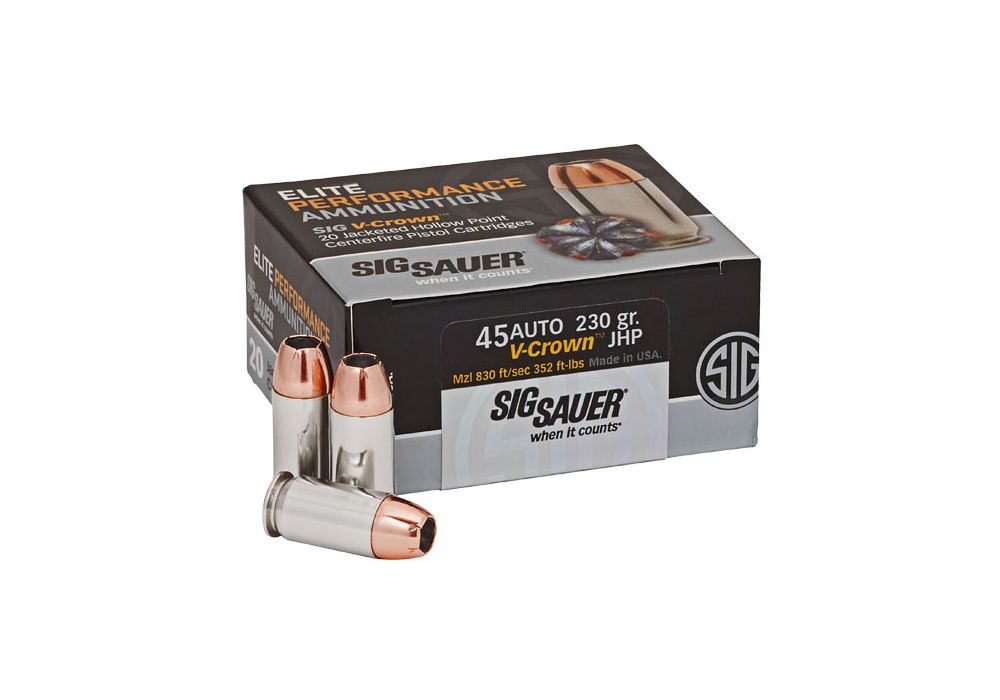
.45 ACP
Comparing .45 ACP and 9mm: What You Need to Know for Self-Defense

When it comes to self-defense, choosing the right firearm and caliber is crucial. In this article, we’ll compare two popular calibers: .45 ACP and 9mm. We’ll analyze their ballistic performance, recoil characteristics, and overall suitability for self-defense situations.
What are .45 ACP and 9mm?
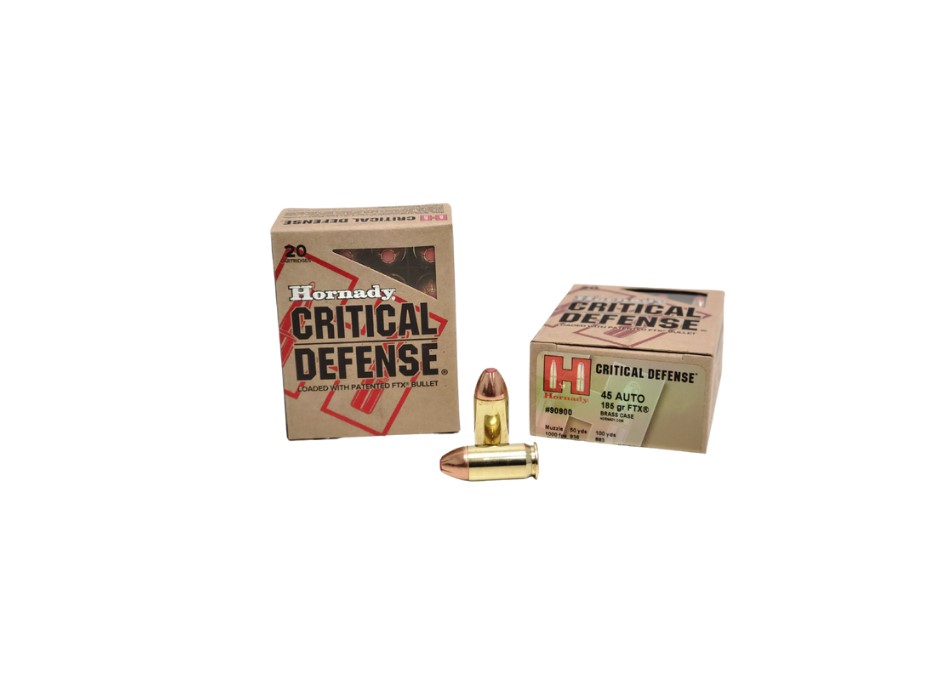
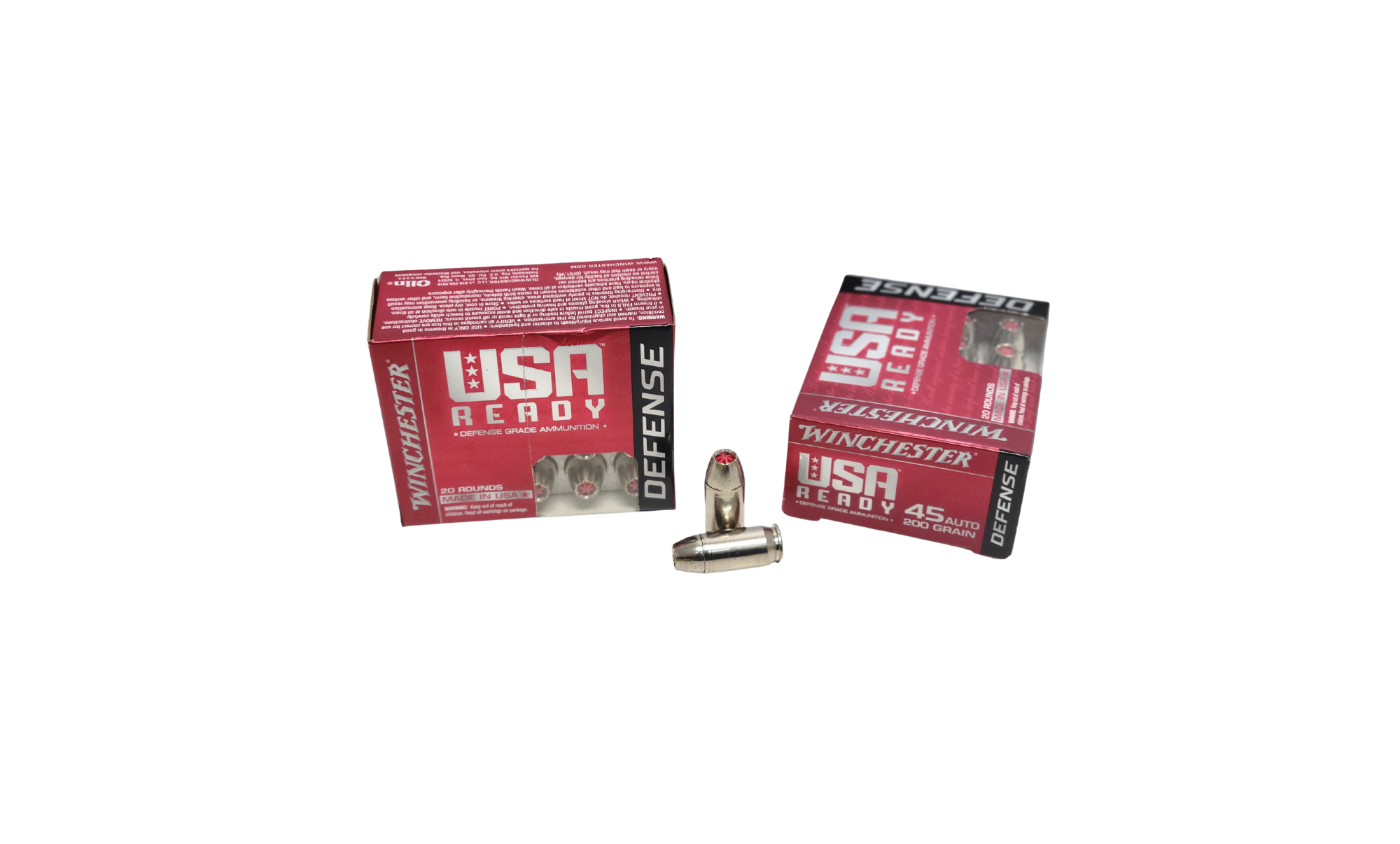
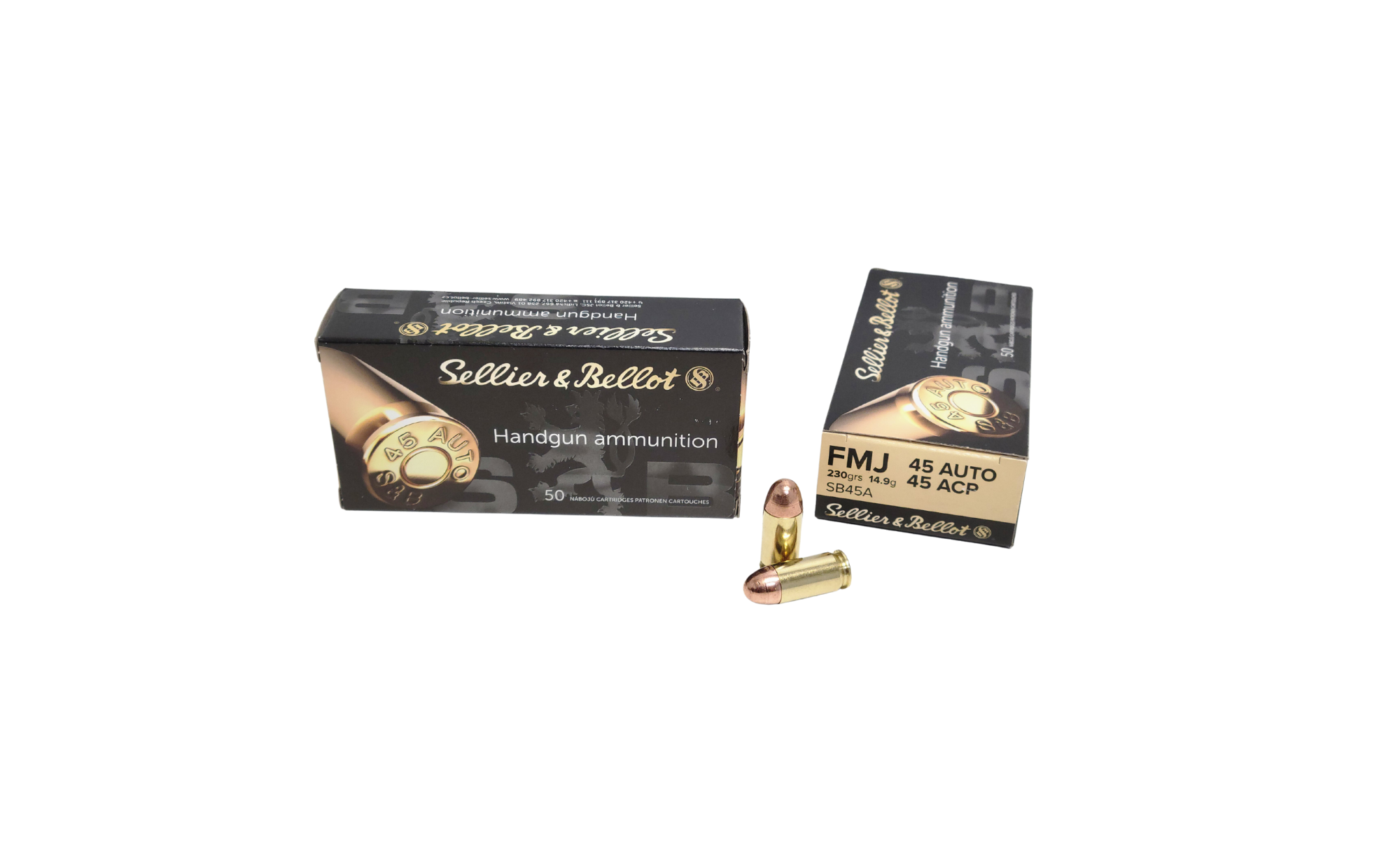
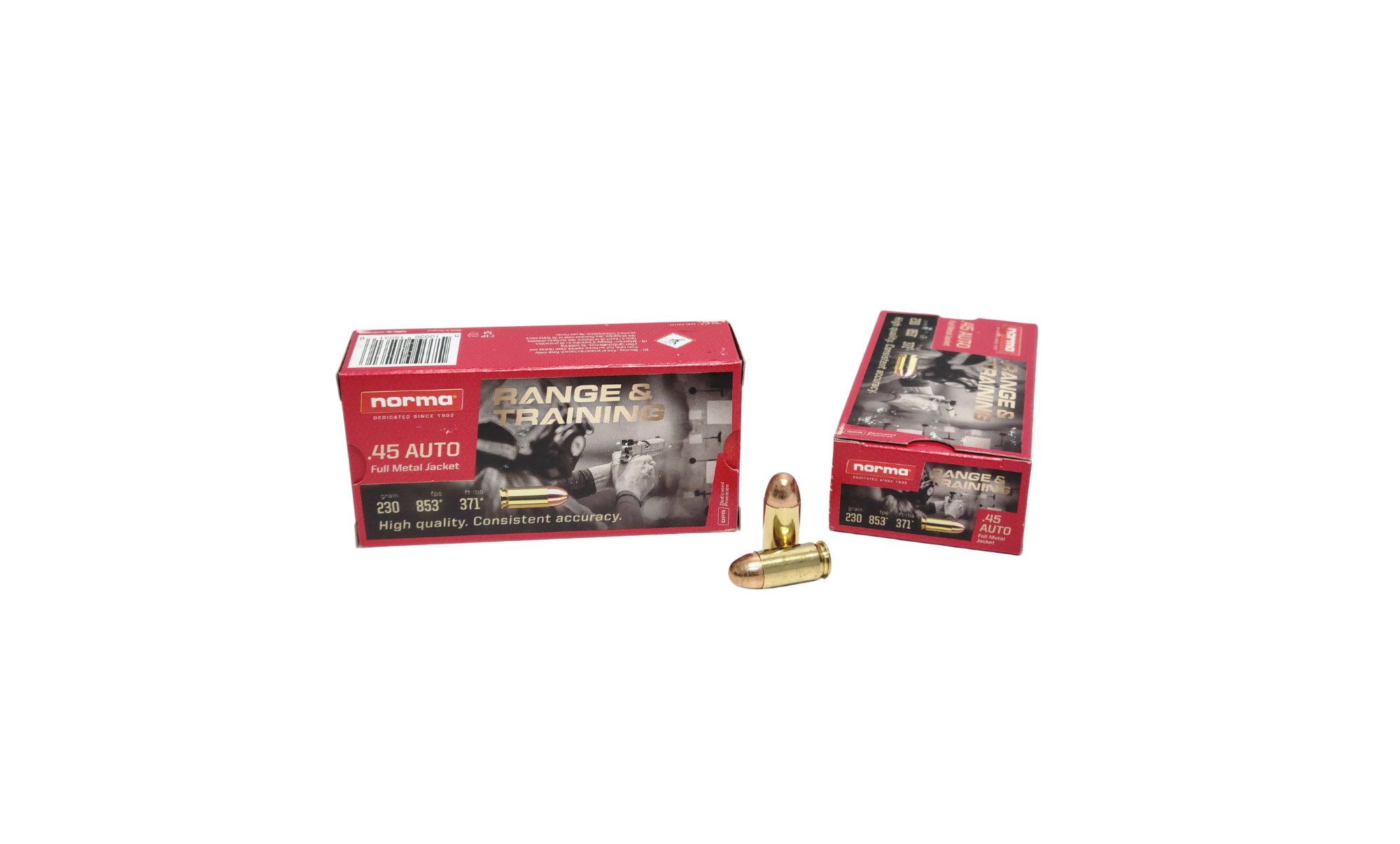
Let’s start with a brief overview of these two calibers. The .45 ACP (Automatic Colt Pistol) cartridge was designed by John Browning in 1904 for use in the Colt semi-automatic pistol. It has a bullet diameter of .452 inches (11.5mm) and a typical weight of 185-230 grains. The 9mm Luger cartridge, also known as 9x19mm Parabellum, was designed by Georg Luger in 1901 for use in the German Luger semi-automatic pistol. It has a bullet diameter of .355 inches (9.01mm) and a typical weight of 115-147 grains.
Ballistic Performance
One of the most important factors to consider when choosing a caliber for self-defense is its ballistic performance. This refers to the cartridge’s ability to penetrate and expand upon impact, as well as its accuracy at various distances.
In general, the .45 ACP has a larger diameter and heavier bullet than the 9mm, which can translate to deeper penetration and larger wound channels. However, modern defensive ammunition has closed the gap between the two calibers in terms of terminal performance.
For example, the Winchester Ranger T-Series 9mm cartridge has a penetration depth of 13-14 inches and an expanded bullet diameter of .66 inches. In comparison, the Federal HST .45 ACP cartridge has a penetration depth of 12-14 inches and an expanded bullet diameter of .82 inches.
When it comes to accuracy, both calibers are capable of delivering accurate shots at self-defense distances (typically 7-10 yards). However, the 9mm’s lower recoil can make it easier to shoot accurately for some individuals.
Recoil Characteristics
Another important factor to consider is recoil. Recoil is the force that pushes back against the shooter’s hand when firing a round. A firearm with excessive recoil can be difficult to control, leading to slower follow-up shots and decreased accuracy.
In general, the .45 ACP has more recoil than the 9mm due to its larger bullet and higher powder charge. This can make it more difficult for some shooters to control, especially for those with weaker hand strength or less experience.
On the other hand, the 9mm’s lower recoil can make it easier to control and shoot accurately, allowing for faster follow-up shots.
Magazine Capacity
Magazine capacity is another important consideration for self-defense firearms. A higher magazine capacity means more rounds available for use in a self-defense situation, which can be crucial in high-stress scenarios.
Due to its smaller size, the 9mm typically has a higher magazine capacity than the .45 ACP. For example, the Glock 17, a popular 9mm handgun, has a standard magazine capacity of 17 rounds. In comparison, the Glock 21, a .45 ACP handgun, has a standard magazine capacity of 13 rounds.
Cost
Cost is another consideration when choosing a self-defense firearm. In general, 9mm firearms and ammunition are less expensive than .45 ACP firearms and ammunition. This can make the 9mm a more attractive option for those on a budget.
History and Evolution
Both the .45 ACP and 9mm have a long history and have been used by militaries and law enforcement agencies around the world. The .45 ACP was developed by John Browning in 1904 for use in the Colt semi-automatic pistol. It was adopted by the United States Army in 1911 and remained the standard issue sidearm until 1985.
The 9mm was developed by Georg Luger in 1901 for use in the German Luger semi-automatic pistol. It was adopted by the German Navy in 1904 and the German Army in 1906. It has since become the most common caliber for U.S. law enforcement agencies and for military and law enforcement agencies around the world.
Conclusion
In conclusion, both the .45 ACP and 9mm are effective calibers for self-defense. The .45 ACP has a larger diameter and heavier bullet, which can translate to deeper penetration and larger wound channels. However, the 9mm has lower recoil and higher magazine capacity, which can make it easier to control and allow for more rounds available for use. Ultimately, the best choice for self-defense will depend on individual preferences, skills, and needs. It’s important to choose a firearm and caliber that you are comfortable shooting and can use effectively in a high-stress situation.
Showing 1–16 of 31 resultsSorted by popularity
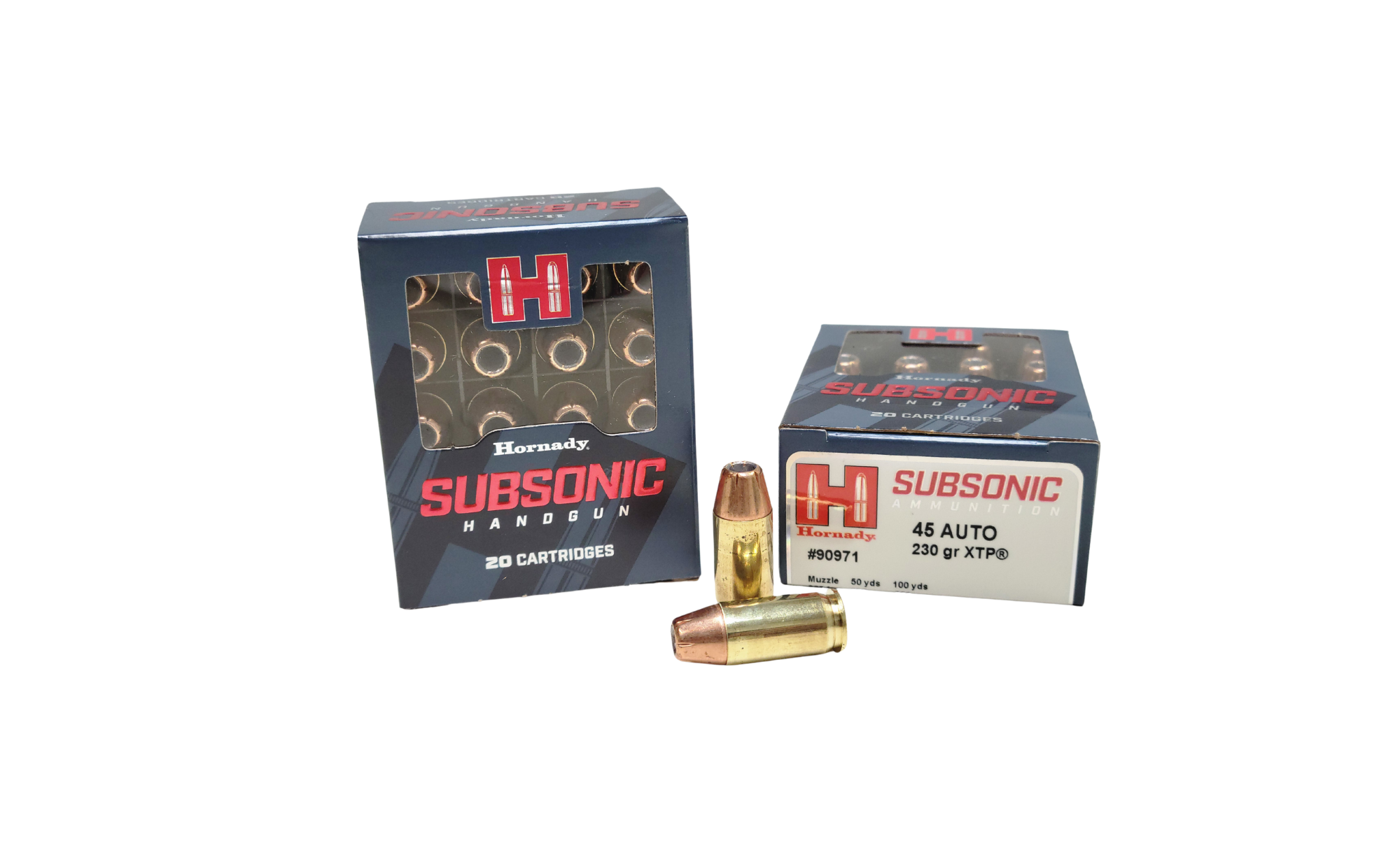
Hornady Subsonic .45 ACP SAME DAY SHIPPING 230 Grain XTP – 20 Rounds (Box) [NO TAX outside Texas]
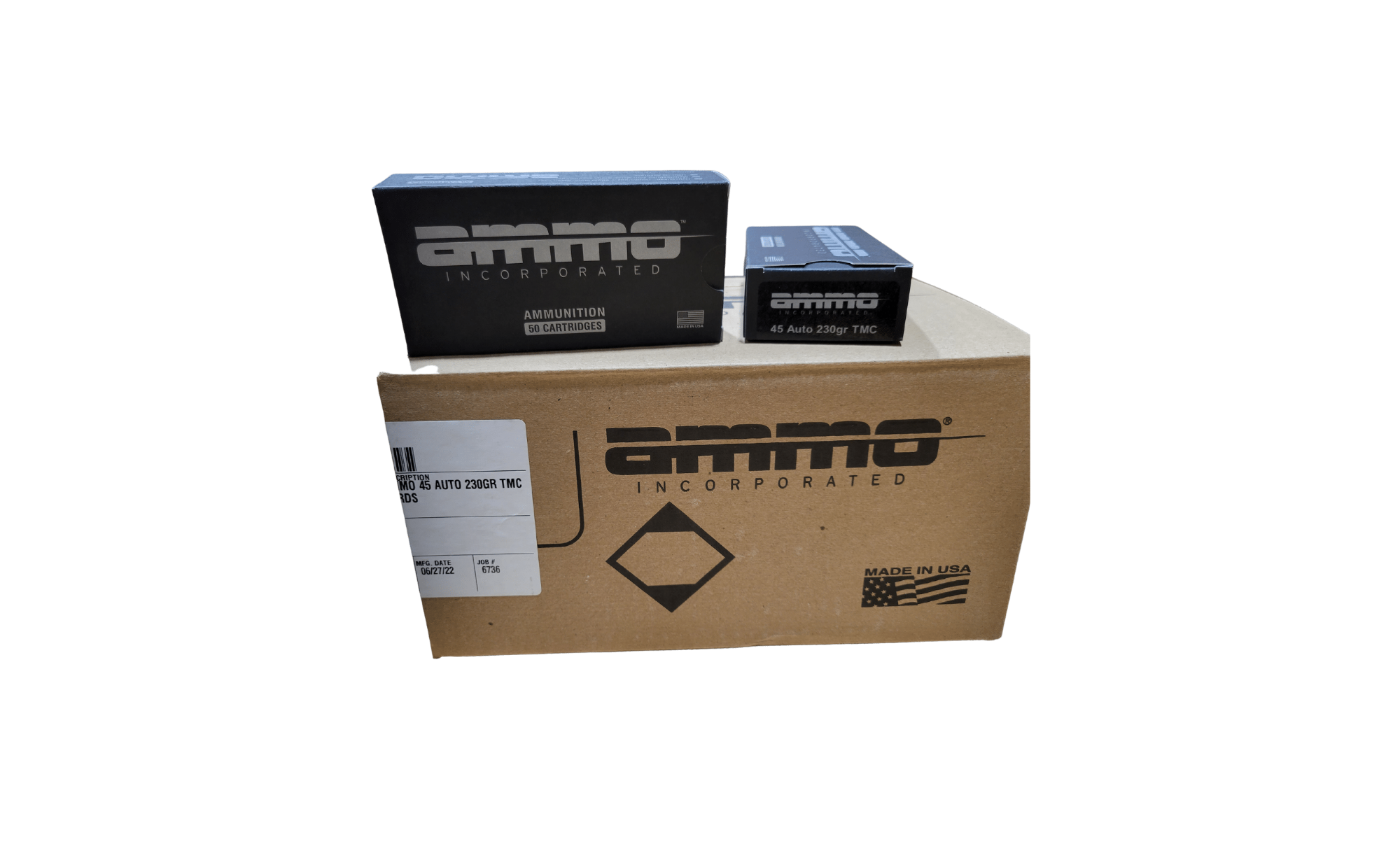
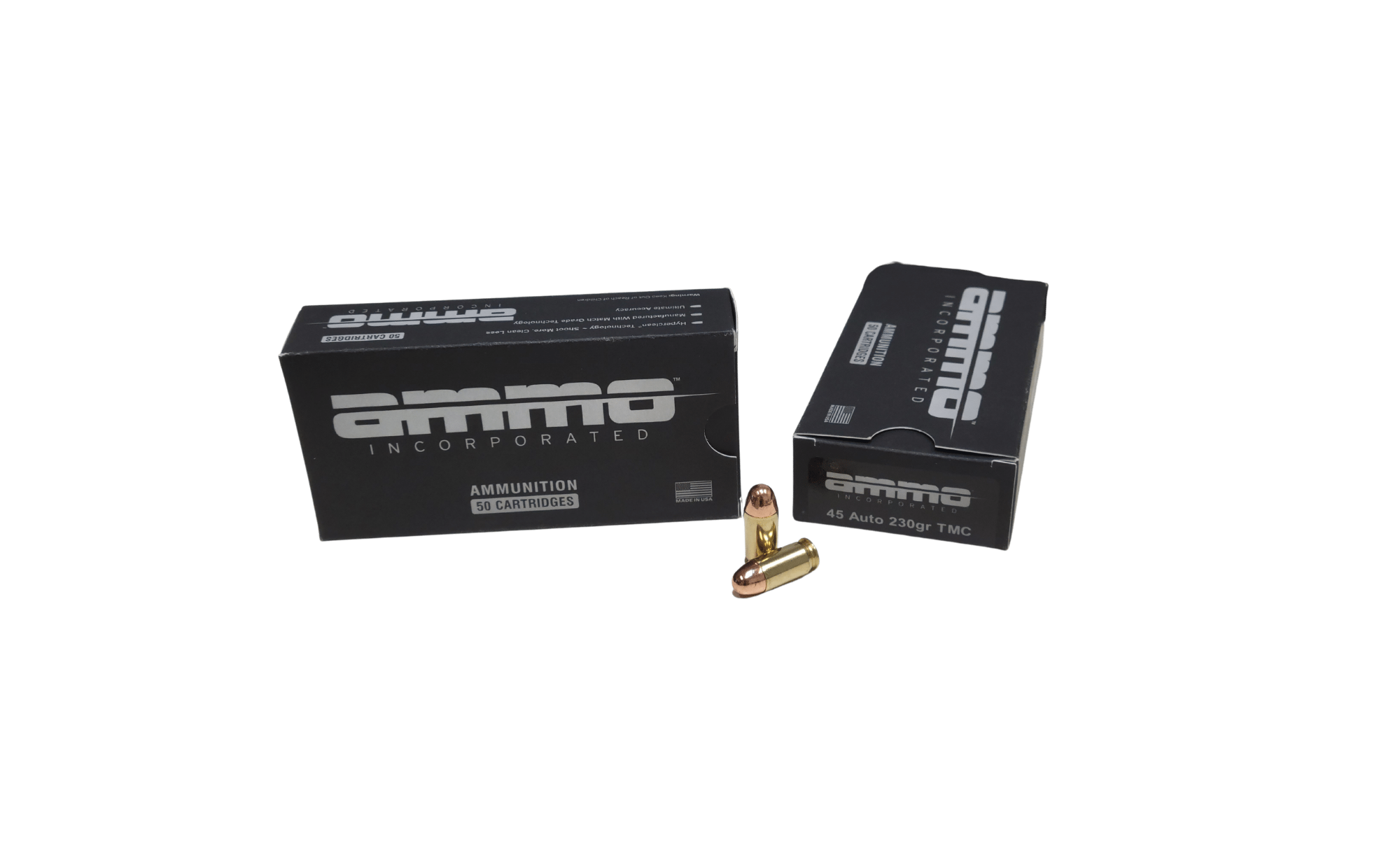
Original price was: $23.95.$21.95Current price is: $21.95.Ammo Inc .45 ACP 1/2 Case SAME DAY SHIPPING 230 Grain Clean Fire Total Metal Coating TMC – 500 Rounds (1/2 CASE) [NO TAX outside Texas]
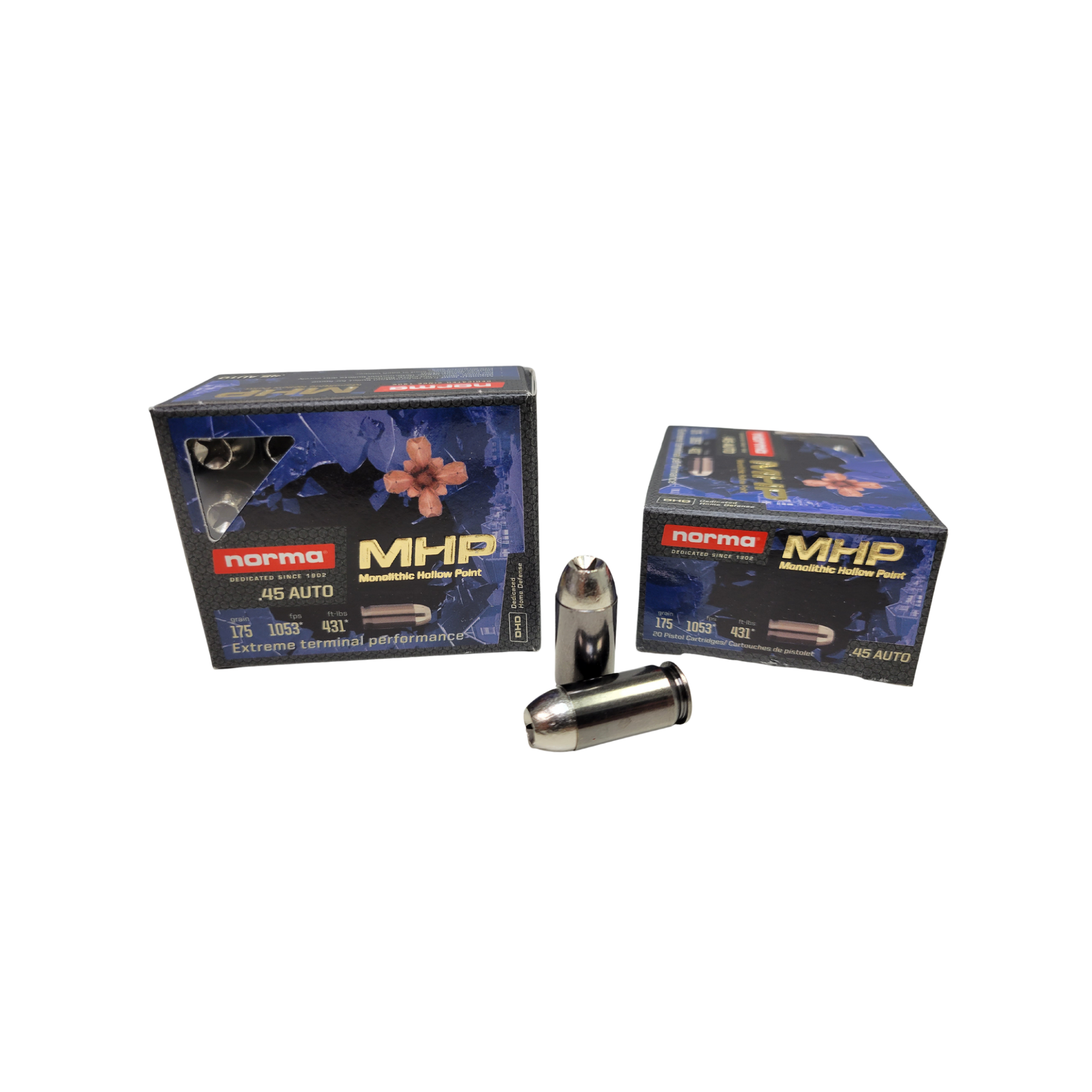
Original price was: $254.99.$249.99Current price is: $249.99.NORMA .45 Auto MHP SAME DAY SHIPPING 175 Grain – 20 Rounds (Box) [NO TAX outside Texas]
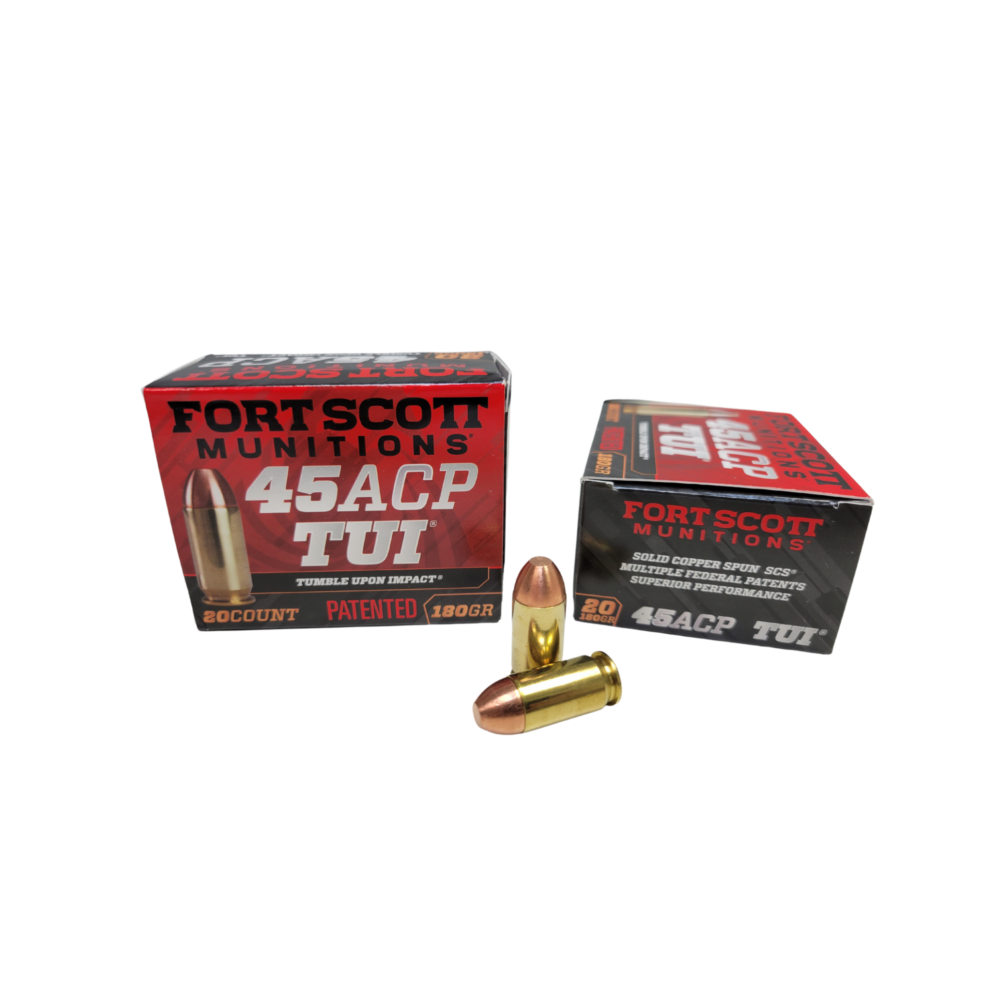
Original price was: $24.95.$22.95Current price is: $22.95.Fort Scott .45 ACP SAME DAY SHIPPING 180 Grain Tumble Upon Impact MATCH lead-free Solid Copper – 20 Rounds (Box) [NO TAX outside Texas]
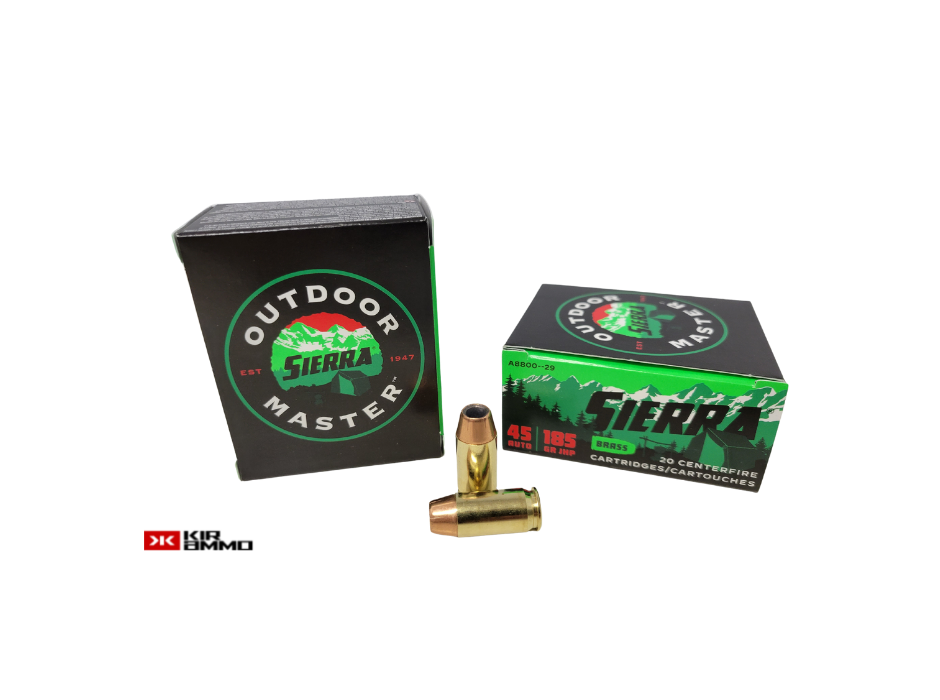
Original price was: $25.95.$23.95Current price is: $23.95.SIERRA OUTDOOR MASTER .45 ACP SAME DAY SHIPPING 185 Grain JHP – 20 Rounds (Box) [NO TAX outside Texas]
Original price was: $19.99.$15.95Current price is: $15.95.