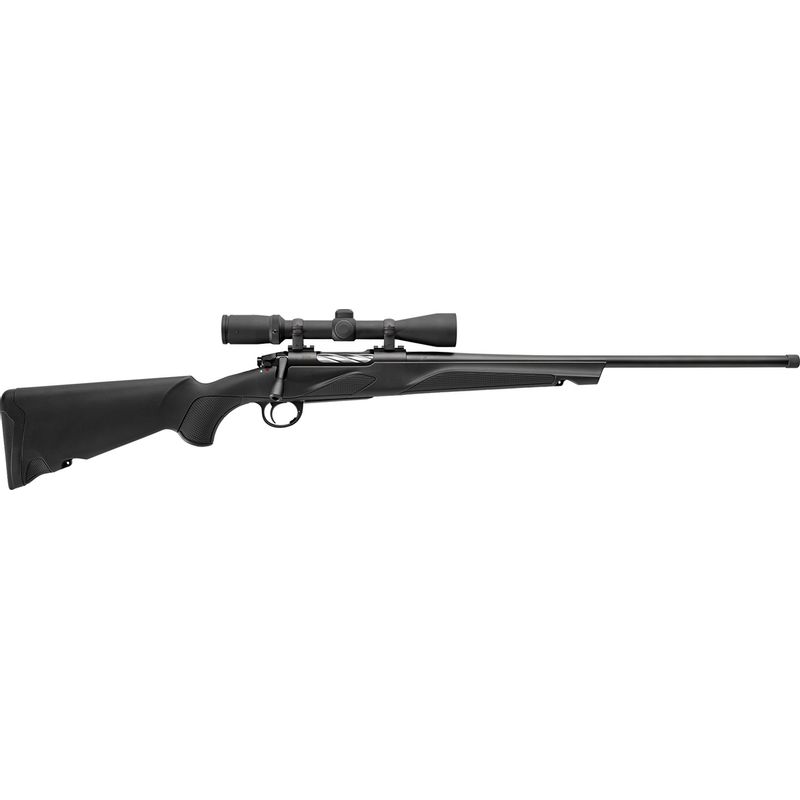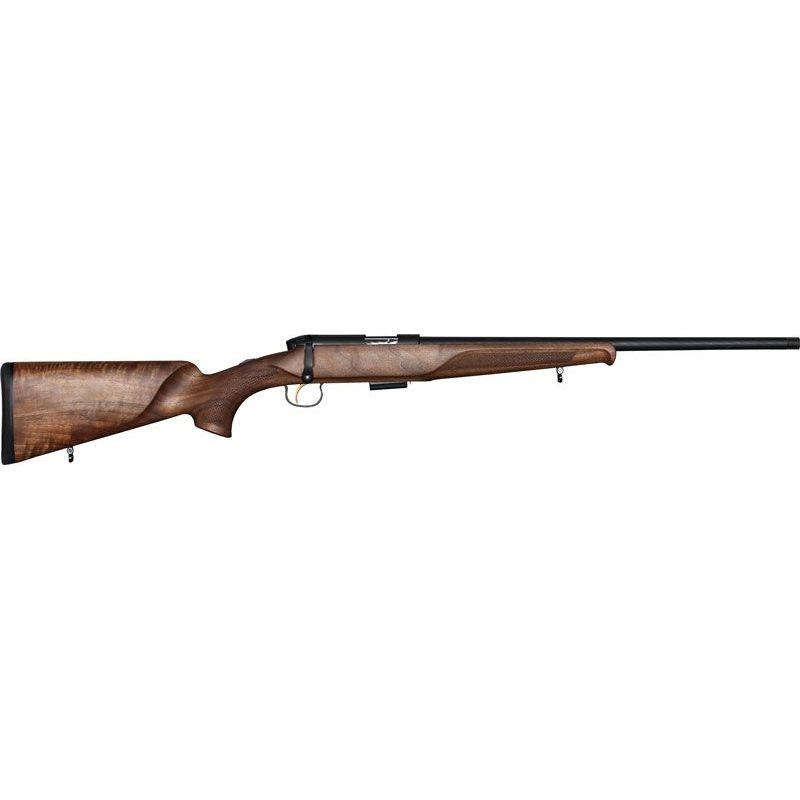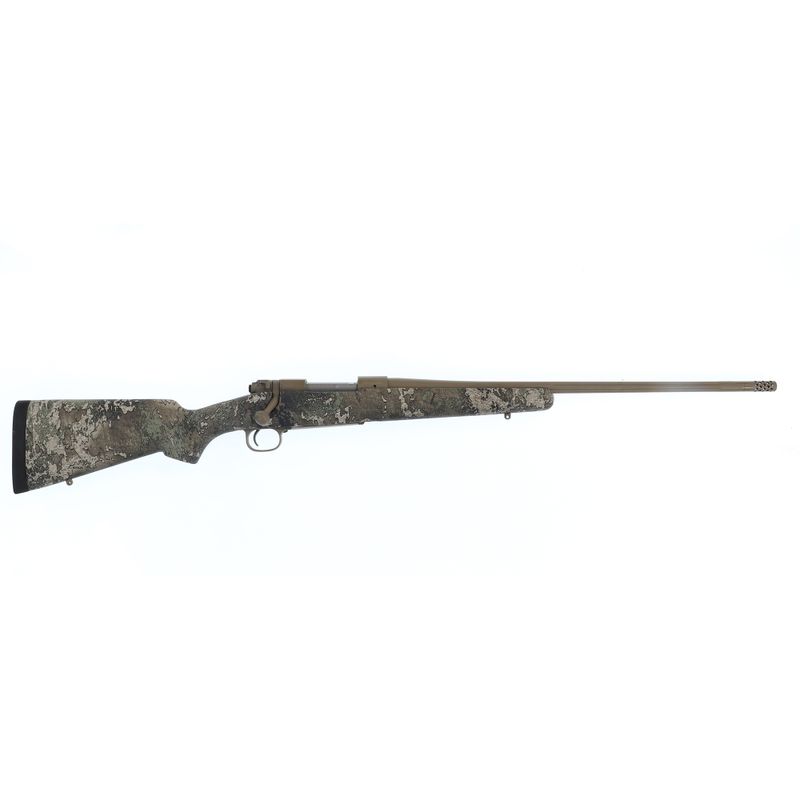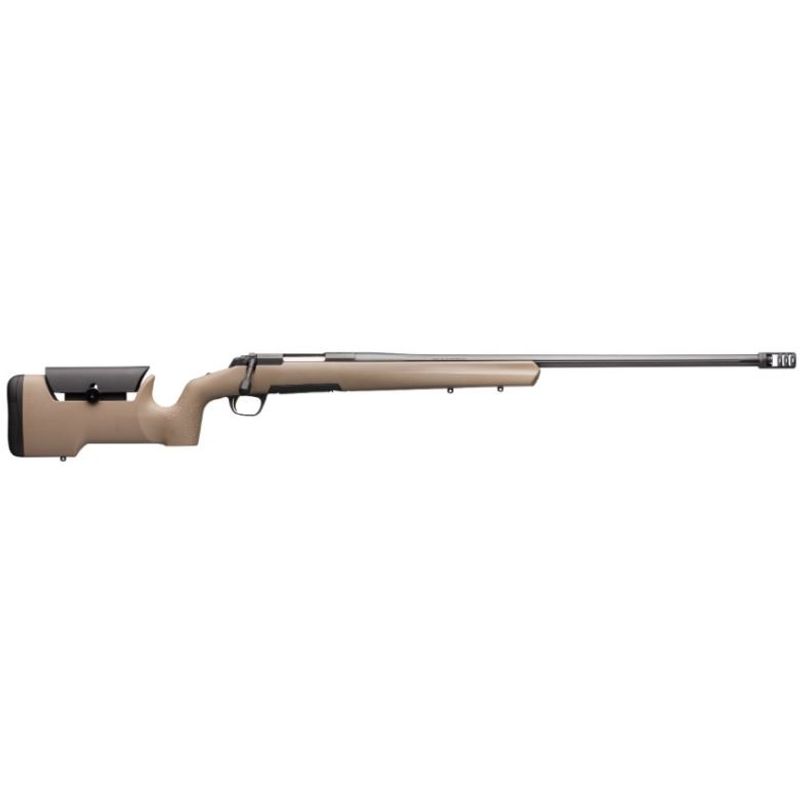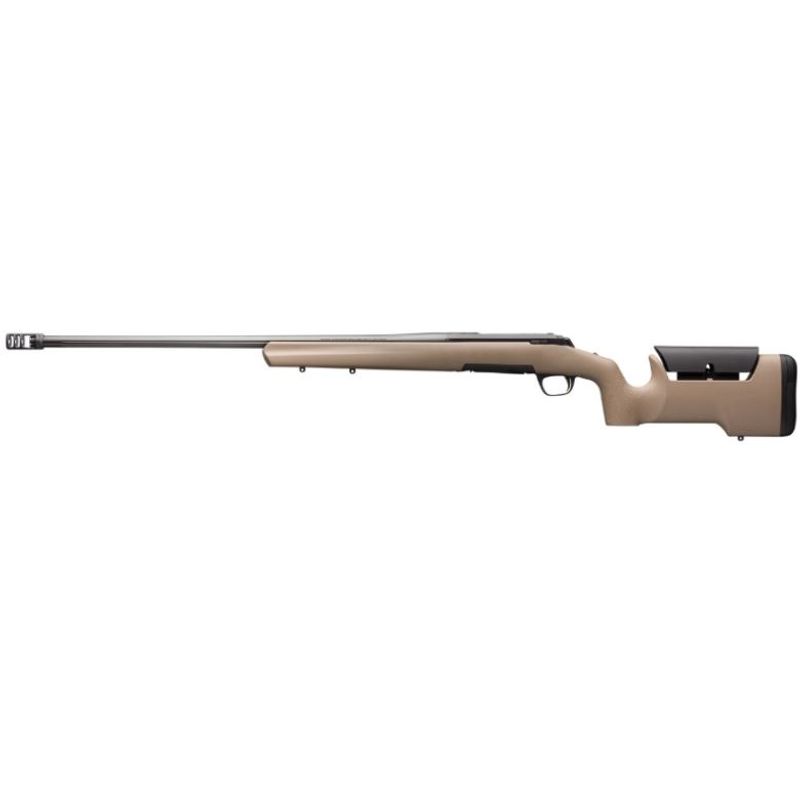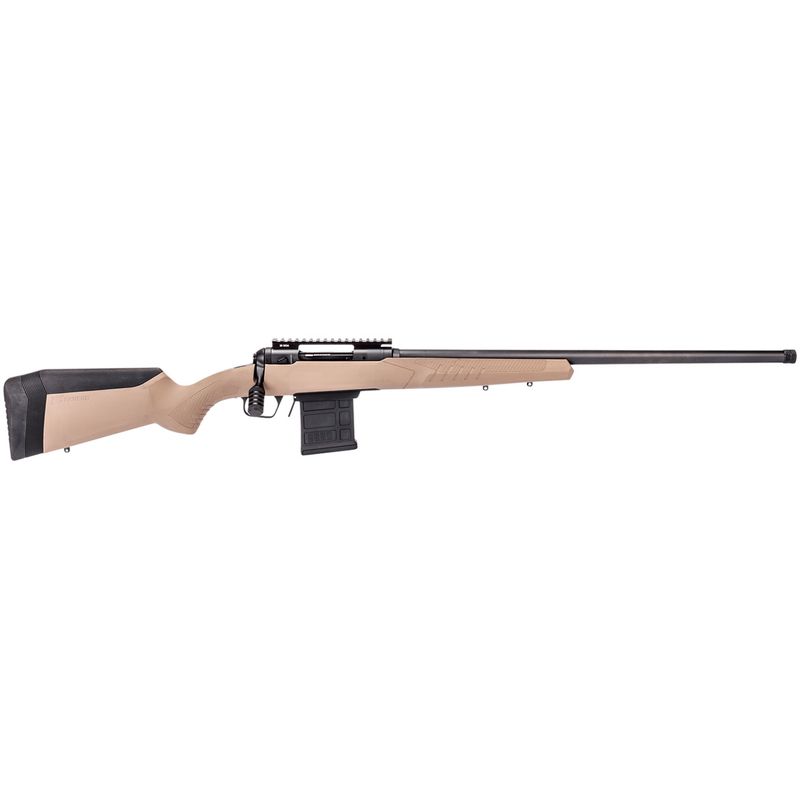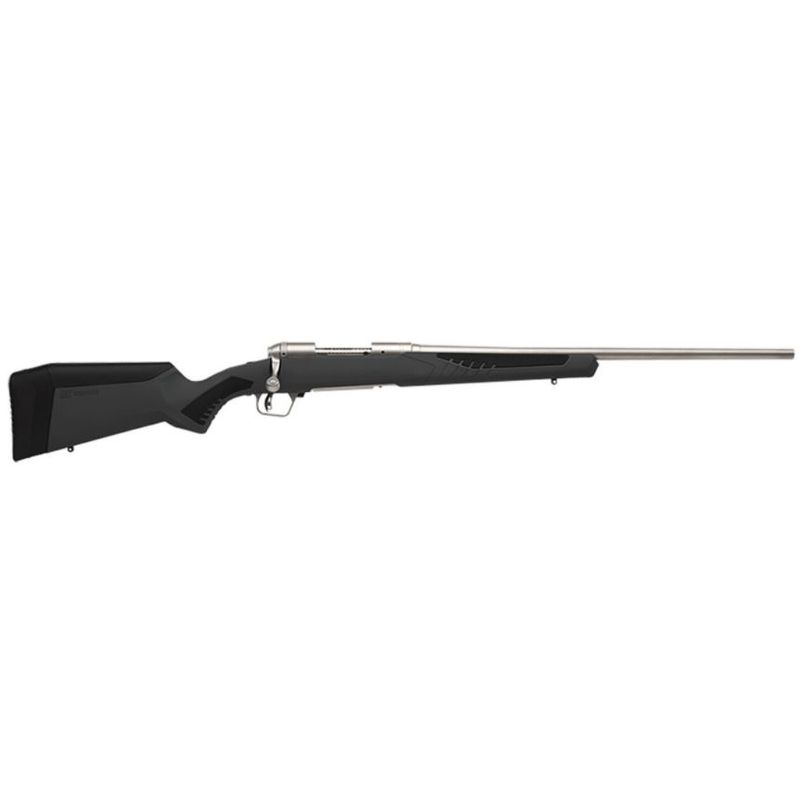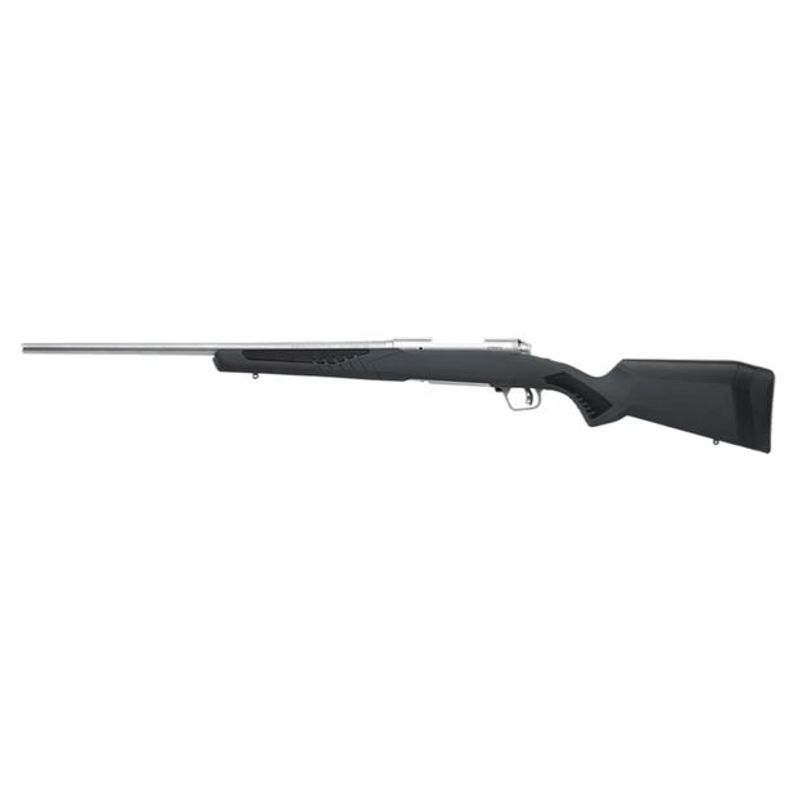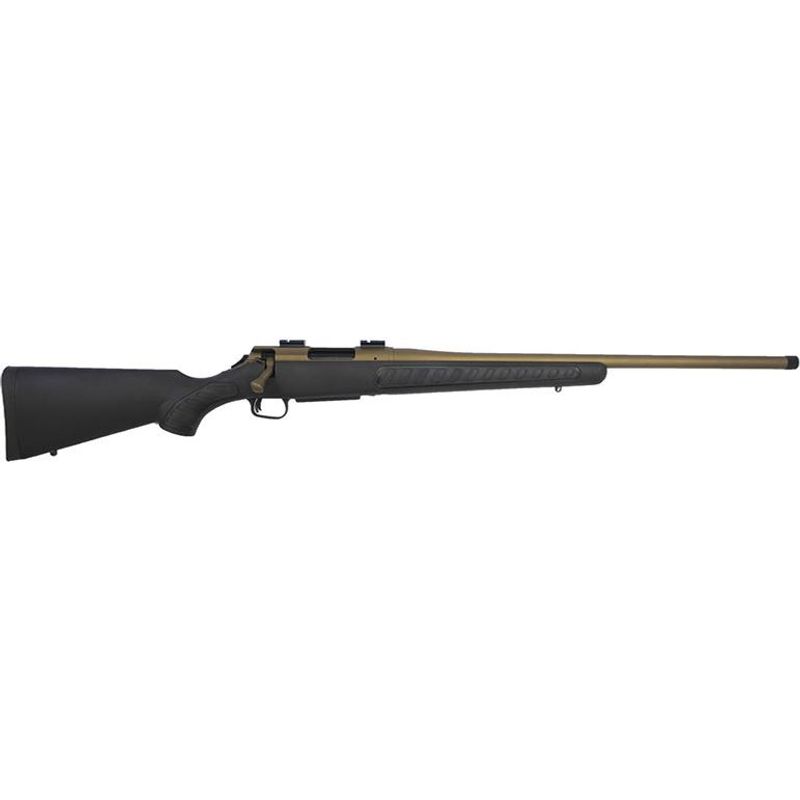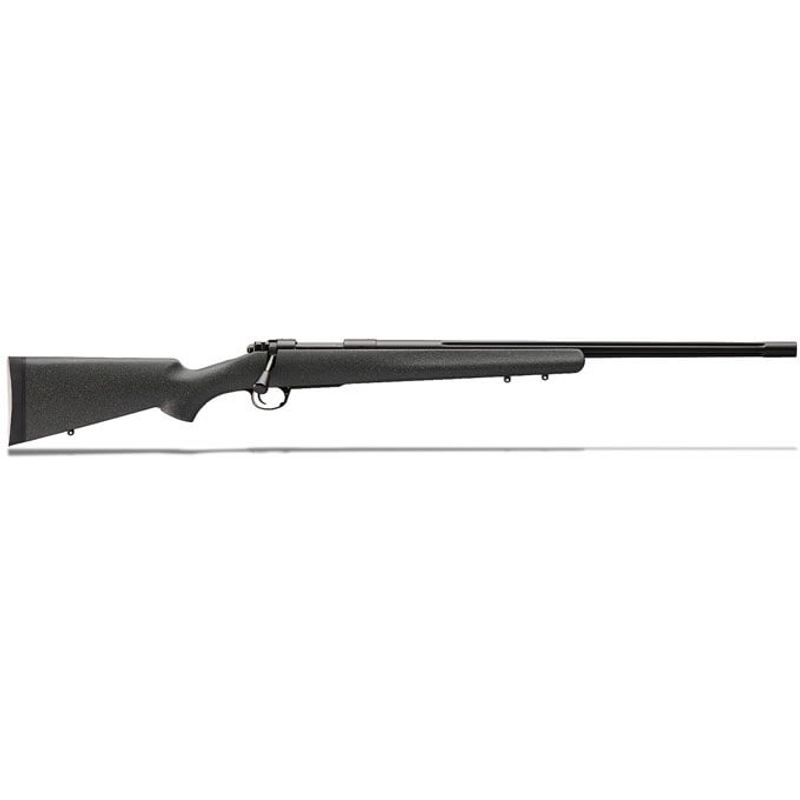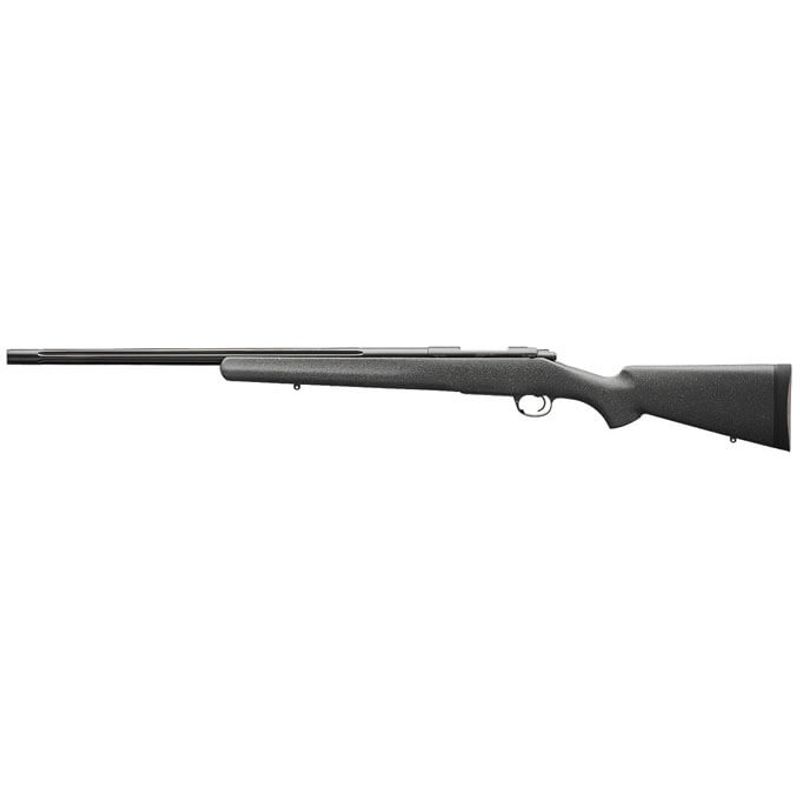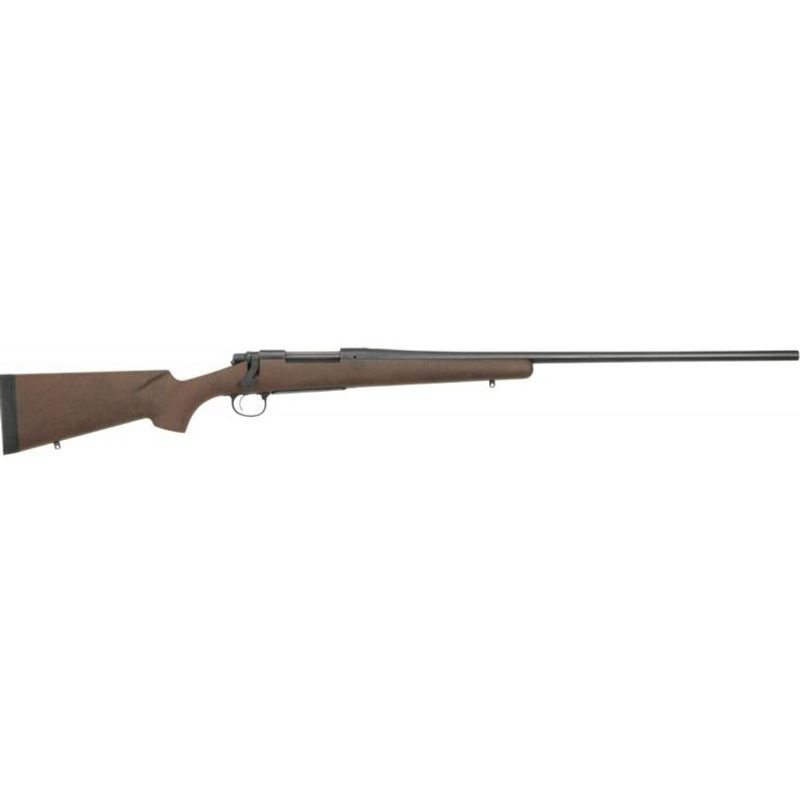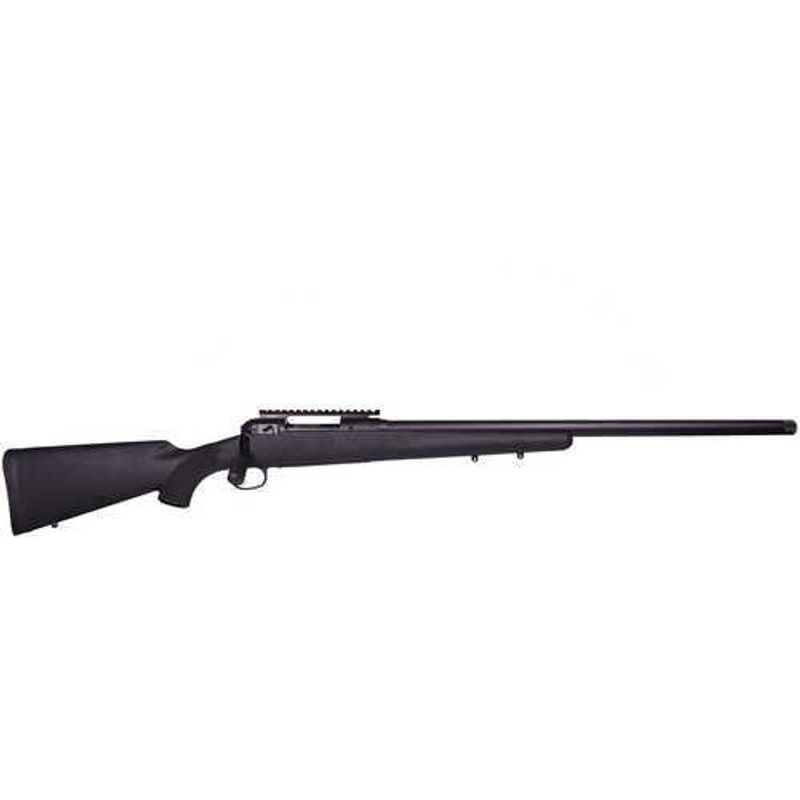
Bolt-action
Cleaning and Maintaining Your Bolt-Action Rifle: A Comprehensive Guide

As a responsible firearm owner, it is crucial to understand the importance of cleaning and maintaining your bolt-action rifle. Regular maintenance not only ensures optimal performance but also extends the lifespan of your firearm. By following a few simple steps, you can keep your rifle in top working condition, enhance its accuracy, and minimize the risk of malfunctions. In this comprehensive guide, we will walk you through the process of cleaning and maintaining your bolt-action rifle, from gathering the necessary supplies to proper disassembly, cleaning techniques, reassembly, and storage. Let’s get started!
Gather the Necessary Supplies
Before you begin the cleaning process, it’s essential to gather all the necessary supplies. While the specific items may vary depending on your rifle and the level of cleaning required, here are some commonly needed items:
- Cleaning rod: A long, thin rod guides cleaning brushes and patches through the barrel. Choose a rod made of aluminum or carbon fiber.
- Cleaning brushes: Small brushes designed to scrub the barrel and other rifle parts. You’ll need a bore brush for the barrel and a chamber brush.
- Solvents: High-quality gun cleaners like Hoppe’s No 9 are ideal for dissolving and removing dirt, fouling, and debris from the barrel and other parts.
- Lubricants: Use lubricants to protect moving parts from rust and corrosion. Common options include oil, grease, and CLP (Cleaner, Lubricant, Protectant).
- Cleaning patches: Small pieces of cloth or material used to wipe down the barrel and other parts. These patches can be used with solvents to remove dirt and debris.
- Rags or paper towels: Essential for wiping down and drying the rifle after cleaning.
- Safety equipment (optional): Consider wearing gloves and safety glasses to protect yourself from solvents and chemicals.
Having a workbench or mat to organize and secure the rifle parts is also recommended to prevent loss or damage during the cleaning process. Additionally, consult your rifle’s manual for any specific cleaning instructions or recommendations from the manufacturer.
Disassembling the Rifle
Disassembling your bolt-action rifle is a crucial step before cleaning. While the exact process may vary depending on your rifle’s make and model, let’s go through some general steps to guide you:
- Remove the magazine, if your rifle has one.
- Ensure the rifle is unloaded by visually inspecting the chamber and magazine. Always point the rifle in a safe direction.
- Lock the bolt open, if possible, allowing clear visibility of the firing pin and chamber.
- Remove the bolt from the action. This may involve pressing down on a bolt release lever or rotating a bolt handle to unlock the bolt.
- Once the bolt is removed, use a brush and solvent to clean the inside of the bolt body and firing pin.
- Clean the chamber and barrel using a cleaning rod, appropriate brushes, and solvents. Ensure compatibility between the brushes and solvents with the barrel material.
- Inspect the barrel for any damages or signs of rust. If you notice any significant issues, it’s advisable to seek the assistance of a professional gunsmith.
- Clean and lubricate the trigger and other moving parts of the rifle using a small brush or toothbrush and lubricant.
- Clean and lubricate the stock and other exterior parts of the rifle using mild soap, water, and a rag or paper towel.
- Keep small parts like springs, pins, and screws in a small container or plastic bag to prevent loss during the cleaning process.
It’s crucial to reassemble the rifle correctly, ensuring proper alignment and tightening of all parts. Always double-check that your rifle is unloaded before proceeding further.
Cleaning the Barrel: Ensuring Optimal Performance
Cleaning the barrel is one of the most critical aspects of maintaining a bolt-action rifle. A dirty barrel can significantly impact accuracy and overall performance. Let’s explore the steps to properly clean the barrel:
- Attach a bore brush to the cleaning rod and soak it in solvent. Run the brush through the barrel multiple times to loosen dirt, fouling, and debris.
- Attach a cleaning patch to the rod and run it through the barrel to remove any dirt and debris loosened by the brush.
- Repeat steps 1 and 2 until the patches come out clean. Thoroughly cleaning the barrel may require several passes.
- After the barrel is clean, use dry patches to remove any residual solvent. For a tight fit, consider using a cleaning rod with a bore guide.
- Lubricate the barrel. If you plan to store the rifle for an extended period, use a rust preventative oil. Otherwise, a light gun oil will suffice.
- Pay particular attention to areas contacting the moving parts of the bolt, such as the locking lugs, extractor, and ejector. This reduces friction and ensures smooth operation.
The frequency of barrel cleaning depends on the rifle’s usage and the type of ammunition employed. Regular cleaning is necessary, especially for frequent shooters or those using dirty ammunition.
Cleaning the Bolt and Other Moving Parts: Ensuring Reliability
The bolt is a vital component of a bolt-action rifle, responsible for chambering and firing cartridges. Proper maintenance and lubrication of the bolt and other moving parts are essential to ensure reliable performance and prevent malfunctions. Let’s delve into the steps to clean and lubricate these parts:
- Remove the bolt from the rifle, following the disassembly instructions provided earlier.
- Use a small brush and solvent to clean the inside of the bolt body and firing pin. Pay attention to areas prone to dirt and fouling, such as the bolt lugs, extractor, and ejector.
- Wipe down the exterior of the bolt with a clean rag or paper towel to remove any solvent or debris.
- Apply a small amount of lubricant to the bolt body and moving parts. Ensure thorough lubrication of the lugs, extractor, ejector, and all other moving components.
- Clean and lubricate other moving parts of the rifle, such as the trigger and safety, using a small brush or toothbrush and appropriate lubricant. Remove any debris or dirt and lubricate all moving parts.
- Reassemble the rifle as previously instructed, ensuring proper alignment and tightening of all parts before proceeding.
During the cleaning and lubrication process, it’s crucial to use high-quality lubricants suitable for your rifle’s metal type. Additionally, ensure that the solvents are compatible with the finishes on the rifle to avoid any damage. Regular cleaning and lubrication of the bolt and moving parts are necessary for optimal performance and longevity.
Cleaning the Stock and Exterior Parts: Preserving Appearance and Condition
The stock and other exterior parts of your bolt-action rifle can accumulate dirt and become discolored over time due to handling and exposure to the elements. Cleaning these parts regularly is essential to maintain the rifle’s appearance and condition. Let’s explore the steps to clean the stock and exterior parts:
- Use mild soap and water to clean the stock and other exterior parts of the rifle. Mild dish soap or laundry detergent works well for this purpose.
- Dip a rag or soft-bristled brush in the soapy water and gently scrub the stock and exterior parts. Pay extra attention to areas prone to dirt and grime, such as the grip, forearm, and trigger guard.
- Wipe down the stock and exterior parts with a clean, damp rag to remove any residue from the soap.
- Thoroughly dry the stock and exterior parts with a clean rag or paper towel.
- If your rifle has a wood stock, consider using a high-quality wood oil or polish to protect and enhance its appearance.
- For rifles with metal finishes like blued steel, use a metal polish to remove rust, corrosion, or light scratches.
Avoid using harsh chemicals or abrasive materials when cleaning the stock and exterior parts to prevent damage or discoloration. Additionally, take care not to get water or cleaning solutions inside the action or barrel. Using a good quality gun sock or rifle case during storage or transportation can help protect the stock and exterior parts from scratches and dings.
Reassembling the Rifle: Ensuring Proper Functionality
Once you have completed the cleaning and lubrication of all rifle parts, it’s time to reassemble the bolt-action rifle. Proper reassembly ensures that the rifle functions correctly and prevents any potential issues. Let’s walk through the steps to reassemble your rifle:
- Start by reassembling the bolt, ensuring all parts are correctly aligned and in their proper positions.
- Place the bolt back into the action, ensuring it is properly aligned and seated.
- Close the bolt, making sure it is securely locked in place.
- Replace any other parts you removed earlier, such as the magazine or scope, ensuring they are properly aligned and securely attached.
- Double-check that all screws, pins, and other small parts are in place and tightened correctly.
- Confirm that the rifle is unloaded, ensuring the chamber and magazine are clear.
- Perform a function test to check that the action of the rifle is smooth and functioning correctly.
During the reassembly process, it’s crucial to follow the manufacturer’s manual for specific instructions and recommendations, as different rifles may have unique steps. Pay close attention to small parts to avoid loss or misplacement during the process. Before using the rifle, conduct a function test to ensure all parts are working as intended.
Maintenance and Storage: Ensuring Longevity and Protection
Cleaning and maintaining your bolt-action rifle is an ongoing process, rather than a one-time event. Regular cleaning and lubrication will help keep your rifle in optimal condition and protect it from rust and corrosion. Here are some tips for maintenance and storage:
- Clean and lubricate your rifle after each use or at least every few months, depending on your usage patterns.
- Store your rifle in a dry and cool place, ideally in a gun safe or cabinet to protect it from damage and theft.
- Use a gun sock or rifle case when transporting your firearm to shield it from scratches and dings.
- Avoid leaving your rifle in direct sunlight or in damp and humid environments, as this can lead to rust and corrosion.
- Consider using desiccant packs or a dehumidifier in your safe or cabinet to absorb moisture and prevent rust.
- Use high-quality lubricants and solvents suitable for your rifle’s metal type and compatible with the finishes.
- Regularly inspect your rifle for any signs of wear or damage. If necessary, have it serviced by a professional gunsmith.
It’s important to note that certain parts of your rifle may wear out more quickly depending on the type of hunting, shooting, or usage. Follow the manufacturer’s recommendations and instructions to ensure optimal performance and longevity.
People Also Like: How to Clean Vomit Out of Perforated Leather Seats
Conclusion
Cleaning and maintaining your bolt-action rifle is essential for its longevity and reliable performance. By following the steps outlined in this comprehensive guide, you can ensure that your rifle is always in top working condition, enhancing its accuracy and minimizing the risk of malfunctions. Remember to gather the necessary supplies, properly disassemble and clean each part, and reassemble the rifle with care. Regular cleaning, lubrication, and proper storage will help you enjoy the optimal performance and accuracy of your bolt-action rifle for years to come. Stay safe and happy shooting!
Showing 1–16 of 60 resultsSorted by popularity